

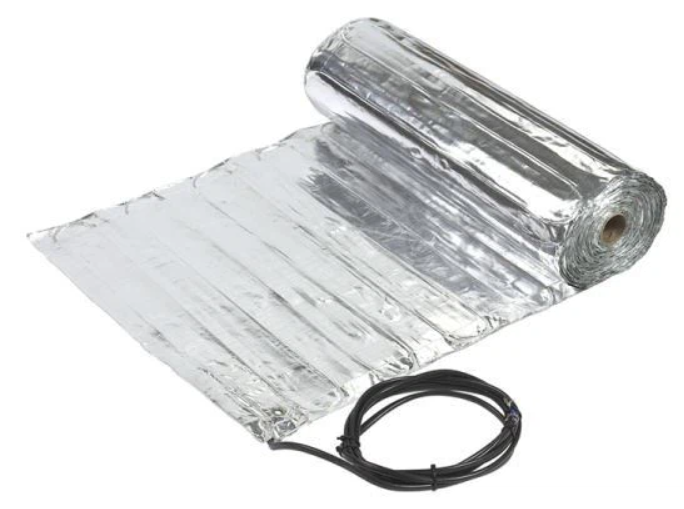
Aluminum heating foil product overview
What is aluminum heating foil? Aluminum heating foil is a specialized type of aluminum foil designed for use in heating applications. It is widely used in various industries, including electronics, automotive, 建造, and even for specific home appliances, due to its excellent thermal conductivity and flexible properties. Aluminum heating foil is primarily used to provide uniform heat distribution, insulation, and to efficiently transfer heat in specialized environments. It is commonly found in applications such as electric heating pads, floor heating systems, heat exchangers, and thermal insulation for pipes and cables.

Aluminum heating foil is manufactured using advanced techniques to ensure high thermal conductivity, 耐用性, and resistance to wear and tear. The combination of lightweight properties and high heat resistance makes aluminum heating foil a key material in thermal management applications.
Understanding aluminum heating foil
Aluminum heating foil is typically made of high-purity aluminum alloys that are engineered to withstand high temperatures while providing excellent heat distribution. The primary function of aluminum heating foil is to convert electrical energy into heat when an electric current passes through it. The foil is designed to have an efficient and uniform distribution of heat along its surface.
Purpose of aluminum heating foil
What are the uses of aluminum heating foil? Aluminum heating foil is designed to efficiently transfer heat across its surface. Its primary purpose is to evenly distribute heat across the material, making it ideal for use in heating elements in both industrial and consumer applications.

Insulation And Protection
In various systems, aluminum heating foil serves as an effective insulating layer, preventing the escape of heat and ensuring energy efficiency.
Thermal Management
In applications such as electronics and automotive components, aluminum heating foil is used for thermal management, preventing overheating and ensuring proper operation of sensitive components.
Flexible Heating Elements
Aluminum heating foil is often used in flexible heating elements like those found in heating blankets, underfloor heating systems, and automotive defrost systems.

Heat Exchangers
Aluminum foil is preferred over copper due to its lower weight and excellent thermal conductivity.
Thermal Insulation
Used in building panels, pipework, and ducting for insulation and fire protection.
Alloy specifications of aluminum heating foil
Aluminum heating foil is typically made from specific aluminum alloys chosen for their high conductivity and heat resistance. The most common alloys used in heating foils are:
| 合金 | Composition | Properties | Applications |
|---|---|---|---|
| 1050 Aluminum Foil | ≥99.5% pure Al | High thermal and electrical conductivity. | Flexible heating elements, heat exchangers. |
| 1100 Aluminum Foil | ≥99% pure Al | Good corrosion resistance, excellent workability. | General heating applications. |
| 3003 Aluminum Foil | Al-Mn alloy | Good thermal conductivity, moderate strength. | Heat exchangers, HVAC systems. |
| 5052 Aluminum Foil | Al-Mg alloy | Higher strength, excellent corrosion resistance. | High-performance heating elements. |
Characteristics of aluminum heating foil
- High Thermal Conductivity:
Aluminum is well-known for its high thermal conductivity, which makes it an excellent choice for efficient heat distribution. This allows for faster heating times and energy savings in many applications. - Flexibility and Malleability:
Aluminum heating foil is highly flexible and can be easily shaped into various forms without compromising its ability to conduct heat. This flexibility is essential for applications like flexible heating mats or underfloor heating systems. - Corrosion Resistance:
Although aluminum itself can oxidize, the oxide layer provides some protection against corrosion. Aluminum heating foil typically undergoes additional coatings to enhance its corrosion resistance in extreme environments. - Lightweight:
Aluminum heating foil is much lighter than alternative heating materials, making it ideal for use in lightweight heating applications where space and weight are critical factors. - Electrical Conductivity:
Aluminum heating foil is designed to allow electrical current to flow through it with minimal resistance, converting electrical energy into heat. - High Melting Point:
The high melting point of aluminum ensures that aluminum heating foil can perform efficiently under high temperatures without losing structural integrity.
Mechanical properties of aluminum heating foil
The mechanical properties of aluminum heating foil vary depending on its thickness. The table below highlights the key properties of aluminum heating foil across different thickness ranges:
| 厚度 (微米) | 抗拉強度 (百萬帕) | 屈服強度 (百萬帕) | 伸長 (%) | Hardness (HV) | Thermal Conductivity (W/m·K) |
|---|---|---|---|---|---|
| 6 µm | 90-120 | 60-80 | 3-8 | 15-20 | 235 |
| 10 µm | 120-150 | 80-100 | 6-12 | 18-22 | 235 |
| 20 µm | 150-170 | 100-120 | 8-15 | 20-25 | 230 |
| 40 µm | 170-200 | 120-140 | 10-18 | 25-30 | 225 |
| 50 µm | 190-220 | 130-150 | 12-20 | 28-35 | 220 |
Thickness of Aluminum Heating Foil
The thickness of aluminum heating foil can vary depending on the specific application requirements. Typical thicknesses range from 6 µm to 50 µm. Thicker foils are used in applications that require higher mechanical strength, while thinner foils are used where flexibility and quick heat distribution are the primary considerations.
| Typical Thickness | Applications |
|---|---|
| 6 µm | Flexible heating pads, electric blankets, small heating elements. |
| 10-20 µm | Underfloor heating systems, automotive heaters. |
| 30-50 µm | Industrial heat exchangers, heavy-duty heating elements. |
Physical properties of aluminum heating foil
- Density:
The density of aluminum heating foil is typically around 2.70 g/cm³. This ensures that the foil is lightweight, which is particularly important for portable or flexible heating applications. - Melting Point:
The melting point of aluminum is 660.3°C (1220.5°F). This high melting point allows aluminum heating foil to operate in high-temperature environments without risk of failure or deformation.
Thickness of aluminum heating foil
-
Thin Foil: 0.05mm to 0.10mm, used for lightweight and flexible applications.
-
Thicker Foil: 0.10mm to 0.20mm, used for more robust applications such as heat exchangers