
Inleiding
Hoëtemperatuurbestande bedekte aluminiumfoelie herdefinieer wat verpakkings- en isolasiemateriaal in veeleisende omgewings kan doen.
Hierdie gespesialiseerde foelie koppel 'n robuuste aluminium substraat met sorgvuldig vervaardigde bedekkings om verhoogde temperature te oorleef, korrosiewe atmosfeer weerstaan, en betroubare versperringseienskappe handhaaf.
In industriële omgewings - van hoë-hitte kook- en bakkerytoerusting tot lugvaart-isolasie en elektroniese omhulsels - is die vraag na 'n materiaal wat meganiese sterkte kombineer, chemiese stabiliteit, en voldoening aan voedselveiligheid neem vinnig toe.
Hierdie artikel duik in wat hoë temperatuurbestande bedekte aluminiumfoelie is, hoe dit werk, waar dit gebruik word, en hoe om die regte verskaffer te kies. Dit stel ook Huawei Aluminium bekend, 'n prominente verskaffer bekend vir sy vermoëns in die vervaardiging van hoë kwaliteit bedekte aluminiumfoelies vir veeleisende toepassings.
Hoë temperatuurbestande bedekte aluminiumfoelie
Wat is hoë temperatuurbestande bedekte aluminiumfoelie?
Definisie en sleutelkenmerke
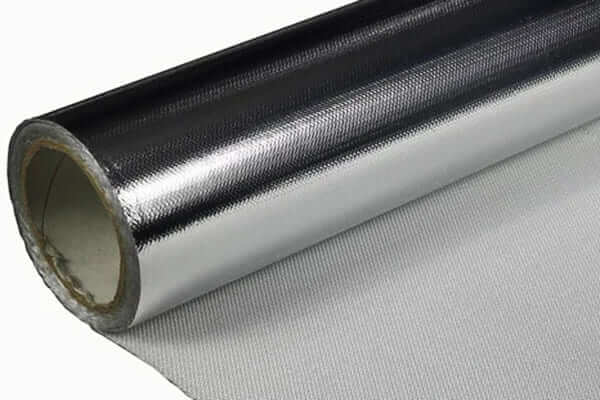
Hoëtemperatuurbestande bedekte aluminiumfoelie verwys na aluminiumfoelie wat bedek is met 'n hitte-stabiele laag wat ontwerp is om verhoogde temperature te verduur sonder om te verneder, delaminering, of versperringsprestasie verloor.
Die basis aluminiumfoelie bied tipies meganiese integriteit, versperringseienskappe, en uitstekende herwinbaarheid.
Die deklaag voeg hittebestandheid by, chemiese weerstand, adhesie aan die foelie, en soms funksionele eienskappe soos hitte-verseëling, anti-blokkering, of versperring verbetering.
Sleutel kenmerke sluit in:
- Verhoogde temperatuurverdraagsaamheid: bedekkings handhaaf integriteit tot 'n gespesifiseerde boonste limiet, dikwels in die reeks van 200–300°C vir baie voedselkontak- of isolasietoepassings, en hoër vir sekere keramiek- of fluoropolimeer-gebaseerde stelsels.
– Versperringsprestasie: bedekkings verminder vog- en gasoordrag terwyl die foelie se aangebore versperring teen suurstof- en geurmigrasie bewaar word.
- Adhesie en buigsaamheid: die deklaag kleef sterk aan die foelie sonder om te kraak tydens buiging, vorming, of verseëling.
– Voedselveiligheid en nakoming: bedekkings is ontwerp om aan relevante regulatoriese standaarde vir voedselkontak of elektroniese isolasie te voldoen, afhangende van die toepassing.
- Prosesversoenbaarheid: coatings word gekies om met bestaande omskakelingslyne te werk, lamineerders, of verseëlaars, veranderinge aan produksiewerkvloei te minimaliseer.
In die praktyk, die meeste klante beskryf hoëtemperatuurbestande bedekte aluminiumfoelie as 'n meerlaagse pakket of voering wat robuust bly tydens hoë-hitte verwerking, bak, of blootstelling aan omgewingsdiens.
Die presiese werkverrigting hang af van deklaagchemie, dikte, foelie meter, en eindgebruikstoestande.
Bedekkingschemieë en hoe dit prestasie beïnvloed
Bedekkings wat op hoë-temperatuur aluminiumfoelies gebruik word, val in verskeie breë families, elk met sy sterkpunte en afwegings:
– Silikoon-gebaseerde bedekkings: Bekend vir uitstekende hittebestandheid en buigsaamheid. Algemeen in toepassings wat langdurige hoë-temperatuurblootstelling vereis of waar voedselkontakveiligheid noodsaaklik is. Temperatuurgraderings nader dikwels 260–300°C vir korttermynblootstelling, met stabiele werkverrigting by hoë humiditeit en veranderlike humiditeit omgewings.
– Fluoropolimeerbedekkings (soos PTFE-familie of PFA-tipe chemie): Bied uitstekende chemiese weerstand, kleefvrye eienskappe, en hoë-temperatuur stabiliteit. Hierdie bedekkings kan hoër temperature onderhou en bied baie lae oppervlakenergie, help vrystelling in voedselkontak en kleefvrye kook scenario's.
– Keramiekgebaseerde of anorganiese bedekkings: Dit bied buitengewone termiese en chemiese weerstand en kan gebruik word waar baie hoë temperatuur blootstelling of aggressiewe omgewings verwag word. Hulle kan meer bros wees, so substraat adhesie en laag buigsaamheid is kritieke oorwegings.
– Polimeriese hoëtemperatuurbedekkings (epoksie fenoliese, akriel, polimiede): Hierdie balans kos, adhesie, en hittebestandheid. Hulle is algemeen in industriële isolasiefolies en sekere verpakkingsformate waar matige tot hoë hittebestandheid vereis word.
Die gekose chemie beïnvloed sleutelprestasie-eienskappe:
- Hitteweerstand limiet: hoe lank die deklaag verhoogde temperature kan weerstaan sonder agteruitgang.
– Hewing aan foelie: hoe goed die deklaag aan aluminium kleef onder buiging, vou, of verseëling.
– Versperringsprestasie: hoe die deklaag bydra tot vog- en gasversperringseienskappe in kombinasie met die foelie.
– Voedselveiligheid en regulatoriese nakoming: of die deklaag gesertifiseer is vir voedselkontak, skoonheidsmiddels, of elektroniese isolasie.
- Prosesversoenbaarheid: of die deklaag inlyn of vanlyn aangebring kan word, en watter uithardings- of droogstappe nodig is.
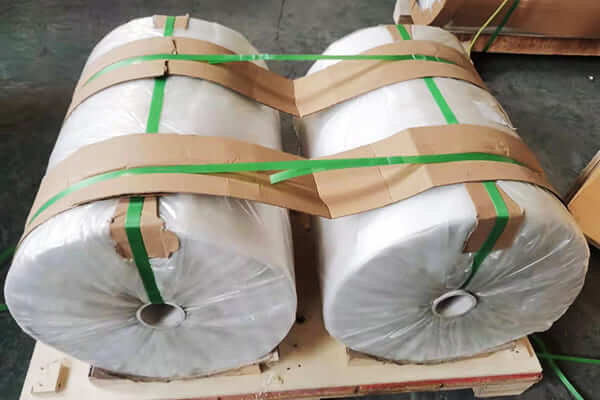
Verpakte bedekte aluminiumfoelierol
Tipiese toepassings en eindgebruikomgewings
Hoëtemperatuurbestande bedekte aluminiumfoelie word in verskeie industrieë gebruik:
– Kos verpakking en kook: oond-gereed bakkies, wraps bak, en hitte-verseëlde sakke wat volgehoue temperature benodig tydens verwerking of herverhitting.
– Isolasie en konstruksie: bekledingsmateriaal wat in kanale gebruik word, HVAC, en gebou-isolasie wat warm omgewings moet weerstaan sonder afgasse of agteruitgang.
- Ruimtevaart en motor: isolasie komberse, hitteskerms, en elektriese isolasie waar 'n duursame laag foelie-rugsteun termiese bestuur ondersteun.
– Elektronika en batterye: verpakking of afskermfolies wat verhoogde temperature verdra tydens samestelling of werking, terwyl elektriese isolasie gehandhaaf word.
– Industriële verpakking: hitte-verseëlde sakke, draers, en beskermende films wat in hoë-temperatuur vervaardigingslyne gebruik word.
In alle gevalle, die produkintegriteit—foeliekontinuïteit, deklaag adhesie, en versperringsprestasie—moet onder verwagte temperatuurprofiele bewaar word, humiditeit, en hanteringstoestande.
Materiale en struktuur
Aluminium foelie basis
Die foelie self bied die kernvoordele: versperring vir vog en gasse, reflektiwiteit, punksie weerstand, en herwinbaarheid.
Tipiese tegniese folies vir hoë-temperatuur-bedekte produkte wissel van 9 µm aan 50 µm in dikte, met algemene verpakking en isolasie variante gekonsentreer in die 9–24 µm reeks.
Dikker foelies bied groter meganiese robuustheid en termiese massa, terwyl dunner foelie meer buigsaam maak, liggewig ontwerpe en kostebesparings.
Sleutel eienskappe van die basis foelie:
- Dikte en afwerking eenvormigheid: dra by tot seëlintegriteit en versperringsprestasie.
- Oppervlakte toestand: bekleding adhesie beïnvloed; soms word 'n inlyn-voorbehandelingstap gebruik om binding te verbeter.
- Oppervlakenergie: beïnvloed hoe goed sekere bedekkings nat en aan die foelie kleef.
Bedekkingslae en argitekture
Bedekkings kan as enkellaag- of meerlaagstapels aangewend word, dikwels in-lyn tydens foelieproduksie of as vanlyn laminerings. Algemene argitekture sluit in:
– Enkellaag hittebestande deklaag: eenvoudig, koste-effektief, geskik wanneer versperringsbehoeftes en hitteblootstelling matig is.
– Meerlaagstelsels met adhesiebevorderaars: addisionele lae verbeter binding aan die foelie en kan funksionele lae inbring (bv., anti-blok, anti-staties, of los lae).
– Gelamineerde strukture: 'n bedekte foelie kan op ander films gelamineer word (poliëster, poliimied, of papier) meganiese te bereik, versperring, of temperatuurvereistes wat 'n enkele materiaal se vermoëns oorskry.
Belangrike oorwegings vir argitektuur:
– Bedekking dikte: tipiese wissel van 0.5 µm aan 5 µm per deklaag; totale droë filmdikte is 'n balans tussen hittebestandheid en buigsaamheid.
– Uitharding/verwerking: hoëtemperatuurbedekkings kan spesifieke uithardingstemperature en -tye vereis; onbehoorlike uitharding kan adhesie en werkverrigting benadeel.
- Voedselveiligheid: bedekkings wat vir voedselkontak bedoel is, moet aan regulatoriese standaarde en toetsing voldoen (migrasie, onttrekbare materiaal, en goeie vervaardigingspraktyke).
Strukturele en prestasie-implikasies
- Temperatuur uithouvermoë: verhoog met geoptimaliseerde laagchemie en behoorlike verharding; hoër temperatuurweerstand kom dikwels ten koste van verwerkingsgemak of bedekkingsbuigsaamheid.
- Versperring en seëlbaarheid: bedekkings wat hitteweerstand verbeter, kan ook help om 'n sterk seël te handhaaf tydens hitte verseëlingsprosesse, die risiko van speldegate of delaminering in hoë-temperatuur omgewings te verminder.
- Verenigbaarheid met stroomaf prosesse: foelies bedek vir hoë-temperatuur werking moet versoenbaar wees met seël toerusting, drukwerk, en lamineringslyne wat in die kliënt se produksie-omgewing gebruik word.
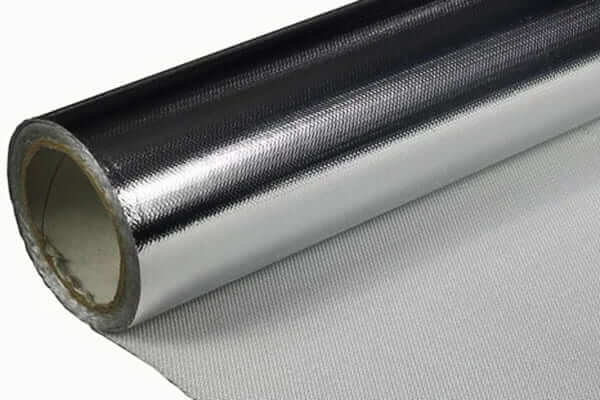
Bedekte aluminiumfoelie hitterefleksie
Prestasie en Eienskappe
Temperatuurweerstand en stabiliteit
'n Kerndifferensieerder vir hoëtemperatuurbestande bedekte aluminiumfoelie is sy vermoë om meganiese integriteit en versperringseienskappe onder hitte te handhaaf. Tipiese prestasieverwagtinge sluit in:
– Korttermyn blootstelling: baie bedekkings verdra kort uitstappies tot 220–300°C sonder filmkraak of delaminering.
– Deurlopende blootstelling: sommige hoëtemperatuurbedekkings word gespesifiseer vir volgehoue diens by 150–230°C, veral wanneer dit gebruik word in oond-gereed verpakking of isolasie bekleding.
- Termiese fietsry: herhaalde verhitting en verkoeling kan adhesie en bedekkingsintegriteit toets; goeie stelsels toon minimale krake of blase na honderde siklusse.
Praktiese noot: verifieer altyd die spesifieke laag se temperatuurgradering met die verskaffer, en verseker die eindgebruik omgewing (vog, olies, oorblyfsels, meganiese skuur) word in die gradering verreken.
Versperringseienskappe en voedselveiligheid
Bedekte aluminiumfoelie blink uit as 'n versperring teen vog en gasse, terwyl coatings addisionele vogweerstand en chemiese weerstand kan bied wat krities is vir hoëtemperatuurtoepassings. In voedselverpakking, regulatoriese nakoming is noodsaaklik:
– Voldoening aan voedselkontak: baie bedekkings word getoets vir migrasie en residue en voldoen aan standaarde soos FDA of EU-beperkings vir spesifieke toepassings.
– Suurstof- en waterdampoordrag: foelie bied 'n sterk versperring, en bedekkings kan hierdie versperring óf verbeter óf bewaar deur speldgatvorming en chemiese agteruitgang te verminder.
– Stabiliteit onder kook of herverhitting: bedekkings moet nie af-aromas of deeltjies skep wanneer dit aan tipiese kulinêre omgewings blootgestel word nie.
Meganiese eienskappe en skeurweerstand
Bedekking voeg beskermende eienskappe by sonder om die foelie se buigsaamheid te benadeel. Vir hoë-temperatuur gebruike, die laag moet:
- Weerstaan buig en rol tydens omskakeling sonder om te kraak.
– Handhaaf spanning en perforasieweerstand in laminate en verpakking.
- Vermy blokkering (bymekaar bly) tydens berging en vervoer.
Verwerkbaarheid en verenigbaarheid
- Laminasie verenigbaarheid: bedekkings moet maklike laminering aan ander films of papiere toelaat sonder delaminering.
- Seëlversoenbaarheid: hitte-seëlbaarheid moet voorspelbaar en betroubaar wees op teikenseëltoerusting.
- Drukversoenbaarheid: sommige bedekkings ondersteun druk op die foelie-oppervlak, terwyl ander 'n onderlaag vir druk benodig.
Duursaamheid en omgewingsoorwegings
- Veroudering: werkverrigting moet stabiel wees oor die produk se verwagte leeftyd, insluitend blootstelling aan UV-lig, humiditeit, en temperatuurskommelings.
- Volhoubaarheid: baie verskaffers beklemtoon herwinning en afvalminimalisering, insluitend die vermoë om foelie van bedekkings te skei vir wegdoening of herwinningsprosesse.
Toepassings en nywerhede
Voedselverpakking en kulinêre gebruike
- Oondgereed en hitte-verseëlde verpakking: sakke en sakke ontwerp vir temperatuurbeheerde kook, bak, of herverhit.
- Kookvoerings en skinkborde: voerings met foelie-rug wat oondtemperature kan weerstaan sonder om reuke te verneder of vry te stel.
- Bakkery toepassings: gelamineerde foelies wat lang baktye verdra terwyl geur- en vogeienskappe behoue bly.
Industriële isolasie en konstruksie
- Kanaal- en pypisolasievlakke: bedekkings verbeter hittebestandheid en beskerm teen vog binnedringing.
- HVAC baadjies: foelie-gebaseerde bekledings wat omgewings- en verhoogde temperatuurtoestande in kanale en toerusting verduur.
- Brandvertragende en versperringsmembrane: in geboue en industriële fasiliteite, hoë-temperatuur foelies dra by tot veiligheid en energiedoeltreffendheid.
Lugvaart, motor, en elektronika
- Termiese bestuur komberse: reflektiewe of isolerende foelies met beskermende bedekkings vir hoë-temperatuur omgewings.
- Elektriese isolasie: foelie-gesteunde bedekkings met diëlektriese eienskappe wat geskik is vir sekere samestellingsprosesse.
- Elektroniese verpakking: hittebestande skilde en verpakkingsmateriaal wat sensitiewe komponente tydens samestelling beskerm.
Gesondheidsorg en farmaseutiese verpakking
- Steriele verpakking en versperringsfilms: bedekkings wat integriteit in sterilisasieprosesse en hoë-temperatuur hantering handhaaf.
- Temperatuursensitiewe produkverpakking: foelies en voerings wat outoklavering of hoëtemperatuurberging kan hanteer, terwyl produkstabiliteit behoue bly.
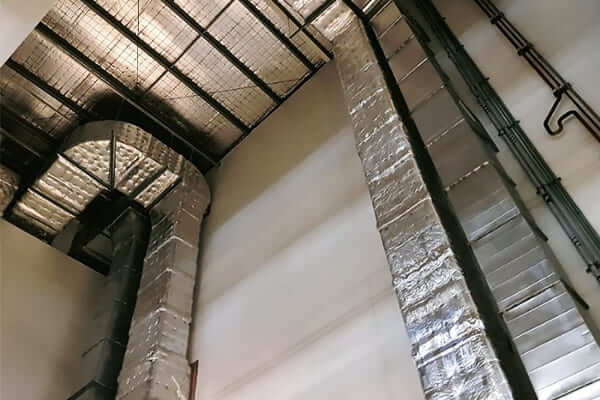
Hoë temperatuurbestande bedekte aluminiumfoelie vir HVAC
Vergelykende Analise: Wat onderskei hoë temperatuurbestande bedekte aluminiumfoelie?
Hier is 'n bondige vergelyking om te help visualiseer hoe hoë temperatuurbestande bedekte aluminiumfoelie teen alternatiewe en standaard foelieë opmekaarstap.
| Kriterium | Standaard aluminiumfoelie | Hoë temperatuurbestande bedekte aluminiumfoelie | Polimeerbedekte aluminiumfoelie (bv., PET of LDPE gelamineerd) | Keramiek-bedekte aluminiumfoelie (hoë-end) |
|---|---|---|---|---|
| Temperatuurverdraagsaamheid | Tot matige hitte; beperk vir hoë-temp kook | Verlengde hitte toleransie; ontwerp vir oond/bak gebruik | Beperk deur polimeerlaag; tipies laer as metaal-foelie kombinasies | Baie hoog; geskik vir uiterste omgewings |
| Versperring prestasie | Uitstekende versperring; afhanklik van ander lae | Verbeterde versperring met geoptimaliseerde bedekkings | Versperring verskil met laminaat; dikwels goed maar nie so robuust soos metaal+bedekking nie | Hoë versperring, afhangende van die keramieklaag |
| Meganiese sterkte | Sterk; buigsaam | Behou sterkte met laag; versigtig buiging vereis | Swakker as slegs metaal, risiko van delaminering indien beklemtoon | Baie sterk, maar kan in sommige vorms stywer of bros wees |
| Verseël en verwerking | Standaard hitte-seëllyne ondersteun | Geoptimaliseer vir verseëling en hoë-temp prosesse | Seël hang af van laminate; mag omskakeling vereis | Seëlgedrag verskil; gespesialiseerde toerusting mag nodig wees |
| Voedselkontakveiligheid | Algemeen aanvaar met coatings | Tipies gesertifiseer vir spesifieke kosse; verifieer migrasiedata | Hang af van laminaat; sommige mag addisionele sertifisering vereis | Sertifisering hang af van laag en keramieklaag |
| Koste en kompleksiteit | Laag tot matig | Hoër as gevolg van bedekkingsprosesse | Matig maar kan laminaatkoste aangaan | Hoog as gevolg van gespesialiseerde bedekkings en materiale |
| Omgewingsvoetspoor | Herwinbaar; energie-intensief, maar wyd gebruik | Soortgelyke basis; bedekkings voeg bykomende verwerking by | Laminate bemoeilik herwinning; dikwels nie so maklik herwinbaar nie | Hoë vervaardigingskompleksiteit; potensiële herwinbaarheidsuitdagings |
Hierdie tabel beklemtoon die afwykings wat u moet weeg wanneer u materiaal vir 'n gegewe projek kies.
Die beste keuse hang af van jou teiken temperatuurreeks, regulatoriese vereistes, meganiese eise, en lewenseinde-oorwegings.
Produksie en Voorsieningsketting
Bedekkingsprosesse en vervaardigingsoorwegings
Bedekking van aluminiumfoelie behels verskeie sleutelstappe:
– Voorbehandeling en skoonmaak om goeie adhesie te verseker.
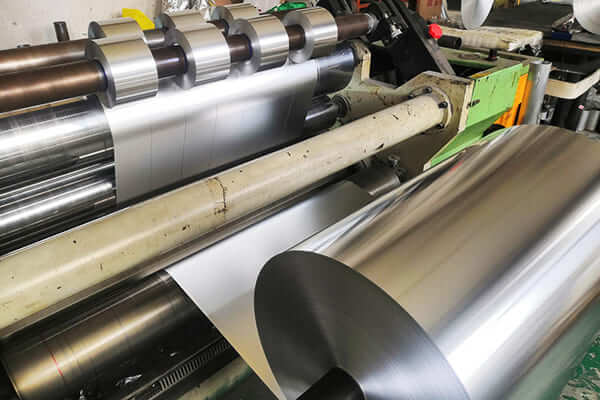
– Bedekkingstoediening met inlynrolbedekking, spuitbedekking, of slot-die coating, afhangende van die vereiste dikte en produksietempo.
- Uitharding en verkoeling, wat die deklaag se chemiese struktuur en binding aan die foelie stabiliseer.
– Gehaltebeheertoetsing, insluitend adhesie toetse (skilsterkte), dikte meting, en versperringsprestasiekontroles.
– Opsionele laminering met ander substrate (vraestelle, polimere, of stowwe) saamgestelde materiale te vorm.
Verwerk oorwegings om prestasie te optimaliseer:
– Bedekking dikte eenvormigheid: krities vir konsekwente hittebestandheid en versperringseienskappe.
- Droog- en uithardingstemperatuurprofiele: moet ingestel word om krake of delaminering van die laag te voorkom.
- Oppervlakenergiebestuur: verseker betroubare adhesie, vereis dikwels 'n presiese oppervlakbehandeling voor bedek.
Gehaltebeheer en toetsing
'n Robuuste QC-program verseker betroubare werkverrigting:
– Adhesietoetsing (skiltoetse) na termiese fietsry.
– Hitteblootstellingstoetse om stabiliteit onder teikentemperature te verifieer.
– Versperringstoetse vir vog- en gasoordrag.
– Reguleringsnakomingskontroles vir voedselkontakbedekkings, afhangende van die eindgebruik.
– Visuele en dimensionele inspeksies om delaminering van deklaag op te spoor, krake, of speldegatvorming.
Volhoubaarheid en omgewingsoorwegings
- Emissies en oplosmiddels: baie moderne bedekkings verminder vlugtige organiese verbindings (VOC's) en neem watergebaseerde formulerings aan.
- Herwinbaarheid: die foelie bly hoogs herwinbaar, maar bedekkings kan beïnvloed hoe maklik die materiaal in sekere strome herwin kan word. Verskaffers fokus toenemend op bedekkings wat daaropvolgende herwinning vergemaklik.
- Vermindering van afval: inlynbedekking kan vermorsing verminder en opbrengs verbeter, terwyl presiese beheer van laagdikte materiaalvermorsing verminder.
Sleutel sterk punte:
– Breë produkportefeulje vir foeliegebaseerde verpakking en isolasie.
- Gevorderde deklaaglyne wat silikoon kan aanbring, fluoropolimeer, en keramiek-gebaseerde bedekkings.
– Wêreldwye uitvoervermoëns met konsekwente kwaliteitbestuur en kliëntediens.
– Sertifisering en nakoming van industriestandaarde (ISO-gebaseerde bestuurstelsels, produkspesifikasies in lyn met voedselkontak en industriële vereistes).
Vermoë vir hoë temperatuurbestande bedekte aluminiumfoelie
- Temperatuurverdraagsame bedekkings:
- Deklaag adhesie en verenigbaarheid: bedekkings is ontwerp om goed met aluminium substrate te bind, terwyl buigsaamheid onder buig en vorming behou word.
- Toepassing buigsaamheid: inlynbedekking op foelie, sowel as na-bedekking laminering opsies om saamgestelde materiale te skep wat pasgemaak is vir die kliënt spesifikasies.
- Regulerende gereedheid: bedekkings geoptimaliseer om te voldoen aan regulatoriese raamwerke vir voedselkontak waar van toepassing, saam met die nodige materiaalveiligheidsdatablaaie en voldoeningsdokumentasie.
- Bedekkingschemiebesonderhede en die boonste temperatuurgradering daarvan.
– Adhesietoetsresultate na termiese fietsry.
– Suurstof- en vogtransmissiemetings vir die finale produk.
– Voedselkontak-voldoeningsdokumentasie indien van toepassing.
– Verwerkingsriglyne vir verseëling, laminering, en drukwerk.
aan, verwerkingsversoenbaarheid, en totale koste van eienaarskap.