

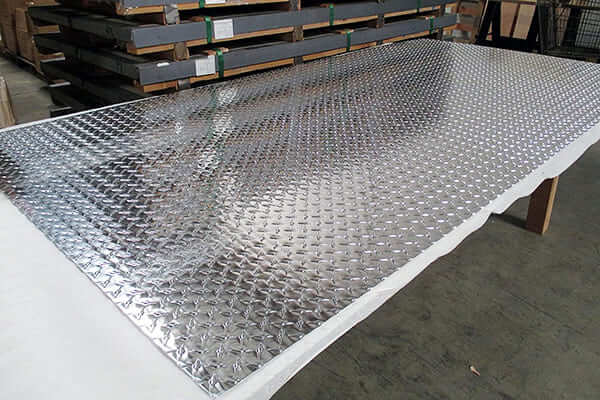
16 規格鋁金剛石板 — 耐用 & 輕的
釋放耐用性: 多才多藝的輝煌 16 規格鋁金剛石板
鋁金剛板已成為需要強度的行業的主要產品, 風格, 和安全合而為一. 在市場上眾多的選擇中, 16 規格鋁金剛石板 在耐用性之間取得令人信服的平衡, 重量, 成本, 和可加工性.
本文深入探討了是什麼讓 16 規格鋁金剛石板用途廣泛且有效. 您將了解它在現實環境中的表現, 與其他儀表和材料相比如何, 哪裡效果最好, 以及選擇供應商時要注意什麼-突出能力
16 規格鋁金剛石板
什麼是 16 規格鋁金剛石板?
了解“16 號”
在金屬加工中, “gauge” refers to thickness. For aluminum, 16 gauge is approximately:
- 厚度: about 0.063 英吋 (1.6 毫米)
Exact thickness can vary slightly by standard and manufacturer, but this value is widely accepted in North American markets.
In practical terms, 16 gauge aluminum diamond plate is:
- Thick enough to handle moderate loads, daily wear, and occasional impact
- Thin and light enough to be cut, 形成的, and installed without heavy equipment
It occupies a sweet spot between lightweight utility and heavy-duty resilience.
What Makes It “Diamond Plate”?
“Diamond plate” (also known as tread plate, checker plate, 或者 chequered plate) refers to an aluminum sheet with a raised pattern of diamonds or lines on one side. 這個圖案:
- Increases slip resistance
- Adds rigidity without increasing thickness
- Enhances visual appeal, giving a rugged, industrial look
The raised pattern is typically rolled into the plate during production, forming a permanent texture.
Aluminum Diamond Plate Surface Display
Typical Alloys Used
Most 16 gauge aluminum diamond plate comes in a few common alloys, each with different strengths:
3003-H22 / H24
- 良好的耐腐蝕性
- Excellent workability and formability
- 強度適中
- Often used for decorative panels, truck tool boxes, interior surfaces
5052-H32
- 強度高於 3003
- 優越的耐腐蝕性, especially in marine and coastal environments
- 良好的焊接性
- Ideal for boat docks, marine steps, exterior vehicle bodies, and industrial flooring
6061-T6
- Very high strength
- Good machinability
- Lower formability (less suitable for tight bending)
- Used where structural performance matters more than formability
.
Key Technical Properties of 16 規格鋁金剛石板
Physical and Mechanical Properties
While exact values depend on alloy and temper, 16 gauge aluminum diamond plate typically offers:
| 財產 | Typical Value (3003-H22) | Typical Value (5052-H32) |
| 厚度 | ~1.6 mm (0.063″) | ~1.6 mm (0.063″) |
| 密度 | ~2.73 克/立方厘米 | ~2.68 克/立方厘米 |
| 屈服強度 | ~110兆帕 (16 克西) | ~193兆帕 (28 克西) |
| Ultimate Tensile Strength | ~145兆帕 (21 克西) | ~228兆帕 (33 克西) |
| 斷裂伸長率 | 〜10–20% | 〜10–20% |
| 彈性模量 | 〜70 GPa | 〜70 GPa |
| 熔點 | 〜643–654°C | 〜607–650°C |
| 熱膨脹係數 | ~23.6 µm/m·K | ~23.8 µm/m·K |
這些特性轉化為一種可以在負載下輕微彎曲而不會開裂的材料, 承受中等程度的衝擊, 並在日常使用下抵抗長期疲勞.
承載和結構行為
凸起的菱形圖案增加了板的剛度, 尤其是在彎曲時. 典型負載場景下:
- 一個 16 規格鋁金剛石板以合理的跨度支撐 (例如, 300–400 毫米) 可以處理許多輕型應用中的人流量.
- 對於較重的負載 (例如, 托盤搬運車, 堆高機), 工程師經常轉向更厚的規格 (例如, 0.125″ / 11 規格或更多) 或更近的支撐間距.
為了 行人頻繁使用, 16 儀表通常表現良好:
- 車輛階梯
- 工具箱蓋
- 卡車床覆蓋層
- 具有緊密支撐間距的輕型夾層走道
為了 工業地坪, 工程師通常會查看載重表, 考慮撓度限制, 並相應選擇板厚和合金.
鋁鑽石板彎曲試驗
為什麼 16 規格鋁金剛石板脫穎而出
最佳平衡: 力量對比. 重量
與較厚的板材相比, 16 儀表報價:
- 重量更輕 在運輸應用中更容易處理並降低燃料消耗
- 足夠的實力 對於許多現實世界的用例
- 降低每個項目的整體成本 由於材料消耗減少且安裝更容易
例如, 一張 4′ x 8′ 的片材 16 規格鋁金剛石板通常重約 40–45 磅, 而具有相似強度的鋼板的重量可能超過 100 磅. 這種差異很重要:
- 車輛有效負載能力
- 燃油經濟性
- 安裝過程中的勞動安全
防滑性和安全性
凸起的菱形圖案提供增強的牽引力, 尤其是表面潮濕或油膩時.
對紋理金屬表面的研究表明 減少滑倒事故 與光滑金屬相比, 特別是在污染物常見的工業環境中.
重要的應用程式:
- 卡車台階和甲板
- 裝卸碼頭板
- 工作平台
- 船甲板和坡道
雖然沒有任何表面是完全“防滑的”,” 與無紋理的平板鋁板或噴漆鋼相比,金剛石板顯著提高了摩擦力.
耐腐蝕
最重要的優點之一 16 規格鋁金剛石板, 特別是在 5052 合金, 是它的耐腐蝕性:
- 它形成一個薄, 穩定的 氧化層 保護賤金屬
- 它抵抗 鹽霧 比許多鋼合金更好, 即使沒有塗層
- 在潮濕環境下表現良好, 戶外的, 和沿海環境
這種耐腐蝕性會降低:
- 維護費用 (減少重新粉刷, 更少的替代品)
- 停機時間 (維修頻率較低)
- 長期擁有成本
審美情趣
鋁菱形板的標誌性外觀兼具功能與風格:
- 明亮的金屬光澤
- 工業的, 堅固的外觀
- 易於清潔的表面 (污垢經常聚集在鑽石周圍,但會被擦掉)
- 可拋光, 陽極處理, 或粉末塗層以定制顏色和飾面
設計師使用 16 零售業中規格鋁金剛石板, 款待, 當他們想要“技術”或“工業時尚”感覺時的住宅環境.
16 卡車車廂用規格鋁金剛石板
16 儀表與其他儀表和材料
16 規格與較薄規格 (例如, 18 或者 20 測量)
更薄的鋁金剛石板, 例如 18 或者 20 測量, 每張紙的重量更輕,成本更低, 但他們也有權衡.
16 衡量優勢:
- 更好的抗凹痕性
- 在人流下減少彎曲
- More durable in vehicle and equipment applications
- More forgiving under minor impacts and abrasion
Thinner gauge advantages:
- Lower cost per sheet
- Easier to cut with light tools
- Suitable for purely decorative uses (牆面覆層, trim)
Use 16 gauge when you expect physical loads, not just aesthetics.
16 Gauge vs Thicker Plates (例如, 0.125″/11 Gauge)
Thicker diamond plates deliver significantly higher load capacity.
Thicker plate advantages:
- Higher structural strength
- Suitable for forklift traffic, heavy machinery, and high-impact environments
- Less vibration and bounce
16 衡量優勢:
- Lower material cost
- Easier handling and installation
- Better for weight-sensitive applications like trucks and trailers
For heavy industrial floors and loading docks, thicker plates often make sense. For trucks, stairs, and interior surfaces, 16 gauge usually hits the sweet spot.
Aluminum Diamond Plate vs Steel Diamond Plate
Steel diamond plate is another popular choice, especially in industrial settings. 然而, aluminum and steel differ in important ways:
| 特徵 | 16 規格鋁金剛石板 | Steel Diamond Plate |
| 密度 | ~2.7 g/cm³ | ~7.85 g/cm³ |
| 耐腐蝕 | 出色的 (especially 5052) | Requires coatings or galvanizing |
| 重量 | About 1/3 weight of steel | Much heavier |
| Workability | Easy to cut and form | Harder to cut; heavier to handle |
| Magnetic | Non-magnetic | Magnetic |
| Surface Appearance | 明亮的, reflective | Duller unless polished or coated |
| Cost per kg | Higher than steel | Lower per kg but heavier per application |
For weight-sensitive and corrosion-critical applications, 16 gauge aluminum diamond plate usually outperforms steel. For extremely heavy loads where weight is less of an issue and budgets are tight, steel may still be preferred.
Common Applications of 16 規格鋁金剛石板
Automotive and Transportation
16 gauge aluminum diamond plate sees extensive use in the automotive and transport sectors:
- Truck Beds and Trailers
- Protective bed liners
- Trailer floors and ramps
- Wheel well covers
- Steps and Running Boards
- Low-profile, high-traction surfaces
- Lightweight compared to steel alternatives
- Tool Boxes and Storage
- Weather-resistant, lockable storage boxes
- Side and underbody truck tool boxes
Fleet operators often choose 16 gauge for its combination of durability and fuel savings over the vehicle’s life.
Container Used Aluminum Diamond Plate
Industrial and Commercial Facilities
Manufacturing plants, warehouses, and commercial buildings use 16 gauge diamond plate in multiple ways:
- Machine platforms and access steps
- Protective guards around equipment
- Floor overlays in high-traffic walking zones
- Kick plates and wall protection in loading areas
Its resistance to corrosion and wear reduces long-term maintenance efforts, especially in environments with moisture, 油類, or cleaning chemicals.
Marine and Coastal Environments
Aluminum diamond plate, particularly in 5052 合金, performs well in marine settings:
- 船甲板和台階
- Dock surfaces and gangways
- Marina ramps and access platforms
The combination of non-slip texture 和 saltwater resistance makes it a strong choice where steel would rust quickly and need aggressive protection.
建築及室內設計
Beyond purely functional roles, 16 gauge aluminum diamond plate appears in architecture and interior design:
- Wall panels in garages, workshops, and retail stores
- Counter fronts and bar faces
- Elevator cab interiors
- Decorative trims and corner guards
Designers often use it when they want a robust surface that also makes a visual statement.
Residential and DIY Projects
Homeowners and DIY enthusiasts use 16 gauge aluminum diamond plate for:
- Garage wall panels and backsplashes
- Workbench surfaces and tool cabinet skins
- Stair treads and porch steps
- Utility trailer upgrades
Its ease of cutting and drilling means many projects remain accessible using basic tools, especially in thinner sheets and with proper safety practices.
Choosing the Right Alloy and Finish
Alloy Selection: Matching Performance to Environment
3003
- Ideal for indoor use, decorative panels, and moderate-duty applications
- Good balance of cost, 成形性, 和耐腐蝕性
5052
- Best for outdoor, 海洋, or high-corrosion environments
- Stronger than 3003, better for structural or semi-structural roles
- Suitable for trailer floors, boat decks, outdoor steps
6061
- Used when high structural strength is paramount
- Less formable; better for flat panels than intricate bends
- Requires more care when forming to prevent cracking
Surface Finish Options
Mill Finish
- Uncoated, slightly matte or semi-reflective surface
- Economical and widely used
- May show rolling marks or minor scratches
Polished Finish
- Highly reflective, almost mirror-like
- Ideal for decorative and display applications
- Requires more care to maintain appearance
Anodized Finish
- Electrochemical process that thickens the oxide layer
- Enhances corrosion resistance and hardness
- Can be color-anodized (黑色的, 青銅, ETC。)
Powder Coated or Painted
- Adds color and extra protection
- Improves scratch resistance
- Used for branding, visibility, or to match design schemes
Thickness and Pattern Considerations
Even within “diamond plate,” pattern size and distribution vary:
- Standard diamond pattern
- Most common; suitable for general use
- Larger or smaller diamonds
- Larger diamonds can increase traction and visual impact
- Smaller patterns may clean more easily and look more refined
另外, some users specify flat-back 與 pattern-back sheets depending on whether they need a completely flat underside for secure bonding to substrates.
常見問題解答
1. How thick is 16 規格鋁金剛石板?
For aluminum, 16 gauge is approximately 0.063 英吋 (1.6 毫米) thick. This is a widely used thickness for light to medium-duty applications such as truck steps, tool boxes, and interior floor overlays.
2. 是 16 gauge aluminum diamond plate strong enough for truck beds?
For light-duty and medium-duty trucks, 16 gauge aluminum diamond plate often works well as a bed liner or overlay. For heavy loads or concentrated point loads (例如, heavy machinery), some users choose a thicker plate (such as 0.100″–0.125″) or add more structural support beneath the plate. Always evaluate load requirements and consult with the supplier or a structural engineer if in doubt.
3. Does aluminum diamond plate rust?
Aluminum does not rust like carbon steel. Instead, it forms a thin oxide layer that protects against further corrosion. In highly corrosive environments (like saltwater exposure), choosing an alloy such as 5052 and following good design practices (引流, avoiding trapped moisture, minimizing galvanic contact with incompatible metals) further enhances longevity.
4. 我可以焊接嗎 16 規格鋁金剛石板?
是的, 16 gauge aluminum diamond plate can be welded. Common methods include 我 和 氬弧焊 焊接. Alloy choice affects weldability:
- 3003 和 5052 weld easily
- 6061 requires more care and may need post-weld heat treatment for optimal strength
Use compatible filler rods and follow welding best practices to maintain strength and appearance.
5. Can aluminum diamond plate be painted or powder coated?
是的. Aluminum diamond plate can be:
- Painted after proper surface preparation (degreasing, light abrasion, primer)
- Powder coated, which provides a durable, uniform finish
Powder coating is widely used when color, branding, or additional surface protection are required.
6. 是 16 gauge or 1/8″ diamond plate better for stairs?
- 16 測量 (0.063″) works for light-duty stairs and residential use with appropriate support.
- 1/8″ (0.125″) diamond plate is more robust and preferred for commercial or industrial stairs with heavy traffic.
The choice depends on expected load, span, safety requirements, and applicable building codes.
結論
16 規格鋁金剛石板 delivers an effective blend of durability, light weight, slip resistance, and visual appeal. It fits into a wide spectrum of applications—from truck beds and stairs to boat decks, factory floors, and architectural accents.
Key advantages include:
- Strong enough for many real-world loads without unnecessary weight
- 優異的耐腐蝕性, especially in alloys like 5052
- Enhanced safety due to textured, non-slip surface
- Long service life and low maintenance, keeping lifecycle costs under control