

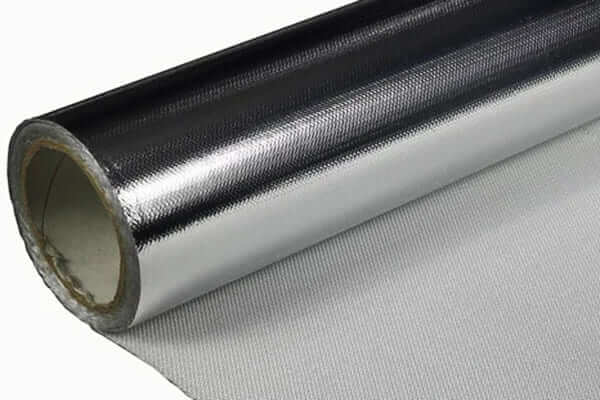
介紹
High Temperature Resistant Coated Aluminum Foil is redefining what packaging and insulation materials can do in demanding environments.
This specialized foil pairs a robust aluminum substrate with carefully engineered coatings to survive elevated temperatures, resist corrosive atmospheres, and maintain reliable barrier properties.
In industrial settings—from high-heat cooking and bakery equipment to aerospace insulation and electronic enclosures—the demand for a material that combines mechanical strength, chemical stability, and food-safety compliance is rising quickly.
This article dives into what High Temperature Resistant Coated Aluminum Foil is, how it works, where it’s used, and how to select the right supplier. It also introduces Huawei Aluminum, a prominent supplier known for its capabilities in producing high-quality coated aluminum foils for demanding applications.
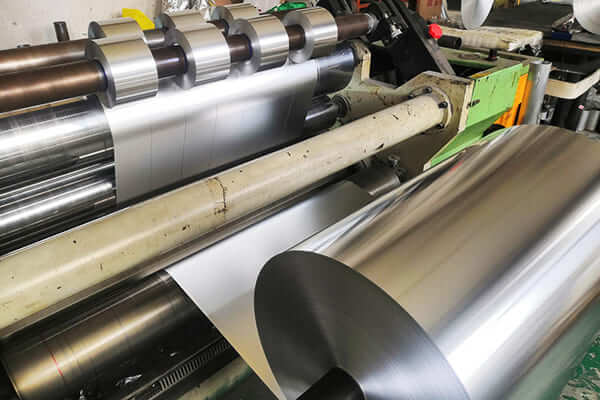
耐高溫塗層鋁箔
What is High Temperature Resistant Coated Aluminum Foil?
Definition and key features
High Temperature Resistant Coated Aluminum Foil refers to aluminum foil that has been coated with a heat-stable layer designed to endure elevated temperatures without degrading, delaminating, or losing barrier performance.
The base aluminum foil typically provides mechanical integrity, 阻隔性能, and excellent recyclability.
The coating adds heat resistance, 耐化學性, adhesion to the foil, and sometimes functional properties such as heat-sealing, 防沾連, or barrier enhancement.
Key features include:
– Elevated temperature tolerance: coatings maintain integrity up to a specified upper limit, 對於許多食品接觸或絕緣應用,通常在 200–300°C 範圍內, 對於某些陶瓷來說更高- 或基於含氟聚合物的系統.
– 阻隔性能: 塗層可減少水分和氣體傳輸,同時保留箔片對氧氣和風味遷移的固有屏障.
– 附著力和柔韌性: 塗層牢固地粘附在箔片上,在彎曲過程中不會破裂, 成型, 或密封.
– 食品安全與合規性: 塗層旨在滿足食品接觸或電子隔離的相關監管標準, 取決於應用.
– 製程相容性: 選擇的塗層可與現有的加工生產線搭配使用, 層壓機, 或密封劑, 最大限度地減少生產工作流程的變化.
在實踐中, most customers describe High Temperature Resistant Coated Aluminum Foil as a multilayer package or liner that remains robust during high-heat processing, 烘焙, or ambient-service exposure.
The exact performance depends on coating chemistry, 厚度, foil gauge, and end-use conditions.
Coating chemistries and how they influence performance
Coatings used on high-temperature aluminum foils fall into several broad families, each with its strengths and trade-offs:
– Silicone-based coatings: Known for excellent heat resistance and flexibility. Common in applications requiring extended high-temperature exposure or where food-contact safety is essential. Temperature ratings often approach 260–300°C for short-term exposure, with stable performance at high humidity and variable humidity environments.
– Fluoropolymer coatings (例如 PTFE 系列或 PFA 型化學物質): 提供卓越的耐化學性, 不黏特性, 和高溫穩定性. 這些塗層可以承受更高的溫度並提供非常低的表面能, 有助於在食品接觸和不沾鍋烹飪場景中釋放.
– 陶瓷基或無機塗層: 它們具有出色的耐熱性和耐化學性,可用於預期暴露於非常高溫或腐蝕性環境的地方. 它們可能更脆, 因此基材附著力和塗層柔韌性是關鍵考慮因素.
– 聚合物高溫塗料 (環氧酚醛樹脂, 丙烯酸樹脂, 聚醯亞胺): 這些平衡成本, 附著力, 和耐熱性. 它們常見於工業絕緣箔和某些需要中等到高耐熱性的包裝形式.
The chosen chemistry influences key performance attributes:
– Heat resistance limit: how long the coating can withstand elevated temperatures without degradation.
– Adhesion to foil: how well the coating sticks to aluminum under bending, folding, 或密封.
– 阻隔性能: how the coating contributes to moisture and gas barrier properties in combination with the foil.
– Food safety and regulatory compliance: whether the coating is certified for food contact, 化妝品, or electronics isolation.
– 製程相容性: whether the coating can be applied inline or offline, and what curing or drying steps are required.
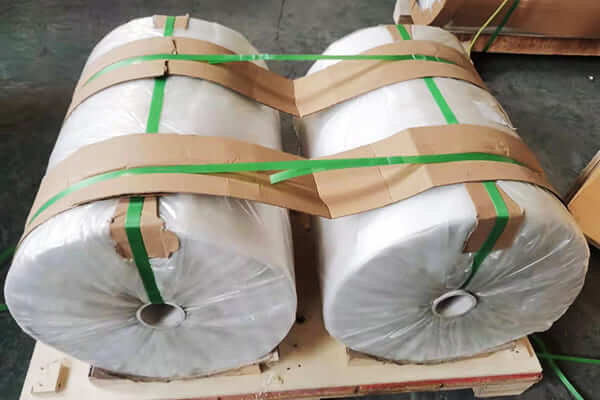
Packaged Coated Aluminum Foil Roll
Typical applications and end-use environments
High Temperature Resistant Coated Aluminum Foil finds use across several industries:
– Food packaging and cooking: oven-ready trays, baking wraps, and heat-sealed pouches that require sustained temperatures during processing or reheating.
– Insulation and construction: facing materials used in ducting, 暖通空調, and building insulation that must withstand hot environments without off-gassing or degradation.
– Aerospace and automotive: insulation blankets, 隔熱罩, and electrical insulation where a durable foil-backed layer supports thermal management.
– Electronics and batteries: packaging or shielding foils that tolerate elevated temperatures during assembly or operation while maintaining electrical insulation.
– Industrial packaging: heat-sealed bags, carriers, and protective films used in high-temperature manufacturing lines.
In all cases, the product integrity—foil continuity, coating adhesion, and barrier performance—must be preserved under expected temperature profiles, 濕度, 和處理條件.
材料與結構
鋁箔底座
貼膜本身提供核心優勢: 防潮和氣體, 反射率, 耐穿刺性, 和可回收性.
用於高溫塗層產品的典型技術箔包括 9 微米至 50 厚度 µm, 常見的封裝和絕緣變體集中在 9–24 µm 範圍內.
較厚的箔片提供更大的機械強度和熱質量, 而較薄的箔片則較靈活, 輕量化設計並節省成本.
基箔的關鍵特性:
– 厚度和光潔度均勻性: 有助於密封完整性和阻隔性能.
– 表面狀況: 影響塗層附著力; 有時會使用線上預處理步驟來增強黏合.
– 表面能: 影響某些塗層潤濕和黏附在箔片上的程度.
塗層層和結構
塗層可以單層或多層堆疊的形式應用, 通常在箔片生產過程中在線或作為離線層壓. 常見的架構包括:
– 單層耐熱塗層: 簡單的, 性價比高, 適用於屏障需求及受熱程度適中的情況.
– 具有黏合促進劑的多層系統: 附加層可改善與箔片的黏合,並可引入功能層 (例如, 防沾連, 抗靜電, 或釋放層).
– 層壓結構: 塗層箔可以層壓到其他薄膜上 (聚酯纖維, 聚醯亞胺, 或紙) 來實現機械, 障礙, 或超出單一材料能力的溫度要求.
架構的重要考量因素:
– 塗層厚度: 典型範圍從 0.5 微米至 5 每層微米; 總乾膜厚度是耐熱性和柔韌性之間的平衡.
– 固化/加工: 高溫塗料可能需要特定的固化溫度和時間; 固化不當會損害附著力和性能.
– 食品安全: 用於食品接觸的塗料必須符合監管標準和測試 (遷移, 可萃取物, 和良好生產規範).
結構和性能影響
- 耐溫性: 隨著優化的塗層化學和適當的固化而增加; 更高的耐溫性通常是以加工便利性或塗層靈活性為代價的.
- 阻隔性和密封性: 增強耐熱性的塗層還有助於在熱封過程中保持牢固的密封, reducing the risk of pinholes or delamination in high-temperature environments.
- Compatibility with downstream processes: foils coated for high-temperature operation should be compatible with sealing equipment, 印刷, and lamination lines used in the customer’s production environment.
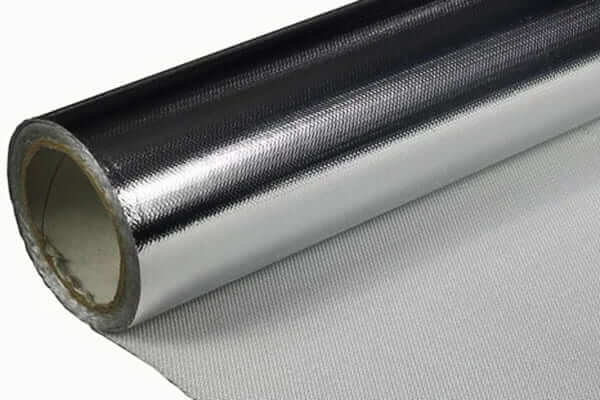
Coated Aluminum Foil Heat Reflection
Performance and Properties
Temperature resistance and stability
A core differentiator for High Temperature Resistant Coated Aluminum Foil is its ability to maintain mechanical integrity and barrier properties under heat. Typical performance expectations include:
– Short-term exposure: many coatings tolerate brief excursions to 220–300°C without film cracking or delamination.
– Continuous exposure: some high-temperature coatings are specified for sustained service at 150–230°C, particularly when used in oven-ready packaging or insulation facing.
– Thermal cycling: repeated heating and cooling can test adhesion and coating integrity; good systems show minimal cracking or blistering after hundreds of cycles.
Practical note: always verify the specific coating’s temperature rating with the supplier, and ensure the end-use environment (水分, 油類, residues, mechanical abrasion) is accounted for in the rating.
Barrier properties and food safety
Coated aluminum foil excels as a barrier against moisture and gases, while coatings can offer additional moisture resistance and chemical resistance critical to high-temperature applications. In food packaging, regulatory compliance is essential:
– Food-contact compliance: 許多塗料都經過遷移和殘留測試,並符合 FDA 或歐盟針對特定應用的限制等標準.
– 氧氣和水蒸氣傳輸: 箔提供堅固的屏障, 塗層可以透過減少針孔形成和化學降解來增強或保持這種屏障.
– 烹飪或再加熱下的穩定性: 當暴露於典型的烹飪環境時,塗層不應產生異味或顆粒物.
機械性能和抗撕裂性能
塗層增加了保護特性,同時又不影響箔片的柔韌性. 用於高溫用途, 塗層應:
– 在轉換過程中承受彎曲和滾動而不破裂.
– 保持層壓板和包裝的張力和抗穿孔性.
– 避免阻塞 (黏在一起) during storage and transport.
Processability and compatibility
- Lamination compatibility: coatings should allow easy lamination to other films or papers without delamination.
- Sealing compatibility: heat-sealability should be predictable and reliable on target sealing equipment.
- Printing compatibility: some coatings support printing on the foil surface, while others require a primer layer for printing.
Durability and environmental considerations
- Aging: performance should be stable over the product’s anticipated lifetime, including exposure to UV light, 濕度, 和溫度波動.
- 永續發展: many suppliers emphasize recycling and waste minimization, including the ability to separate foil from coatings for disposal or recycling processes.
Applications and Industries
Food packaging and culinary uses
- Oven-ready and heat-sealed packaging: 專為控溫烹飪而設計的袋子和小袋, 烘焙, 或重新加熱.
- 烹飪內襯和托盤: 箔背襯可承受烤箱溫度而不會降解或釋放氣味.
- 麵包店應用: 層壓箔片可以承受較長的烘烤時間,同時保留風味和水分特性.
工業保溫與建築
- 風管和管道保溫飾面: 塗層提高耐熱性並防止濕氣進入.
- 暖通空調外套: 箔基飾面,可承受管道和設備中的環境和高溫條件.
- 阻燃和阻隔膜: 在建築物和工業設施中, 高溫箔有助於安全和能源效率.
航太, 汽車, 和電子產品
- 熱管理毯: 具有適用於高溫環境的保護塗層的反射或絕緣箔.
- 電氣絕緣: 具有介電特性的箔背塗佈適合某些組裝工藝.
- 電子封裝: 在組裝過程中保護敏感元件的耐熱屏蔽和包裝材料.
醫療保健和藥品包裝
- 無菌包裝和阻隔膜: 在滅菌過程和高溫處理中保持完整性的塗層.
- 溫度敏感產品包裝: 箔片和襯裡可以進行高壓滅菌或高溫儲存,同時保持產品穩定性.
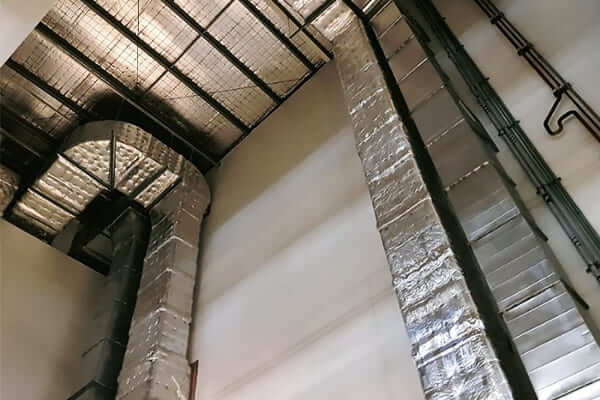
暖通空調用耐高溫塗層鋁箔
比較分析: 是什麼讓耐高溫塗層鋁箔紙與眾不同?
以下是一個簡潔的比較,可幫助直觀地了解耐高溫塗層鋁箔與替代品和標準箔的比較情況.
| 標準 | 標準鋁箔 | 耐高溫塗層鋁箔 | 聚合物塗層鋁箔 (例如, PET 或 LDPE 層壓) | 陶瓷塗層鋁箔 (高階) |
|---|---|---|---|---|
| 耐溫性 | 直至中熱量; 僅限於高溫烹飪 | 延長耐熱性; 專為烤箱/烘烤用途設計 | 受聚合物層限制; 通常低於金屬箔組合 | 非常高; 適用於極端環境 |
| 阻隔性能 | 阻隔性極佳; 依賴其他層 | 透過優化塗層增強屏障 | 屏障因層壓板而異; 通常很好,但不如金屬+塗層堅固 | 高壁壘, 取決於陶瓷層 |
| 機械強度 | 強的; 靈活的 | 透過塗層保持強度; 需要小心彎曲 | 比純金屬弱, 受力時有分層風險 | 很強, 但在某些形式下可能會更硬或更脆 |
| 密封及加工 | 支援標準熱封線 | 針對密封和高溫製程進行了最佳化 | 密封取決於層壓板; 可能需要轉換 | 密封行為各不相同; specialized equipment may be required |
| Food contact safety | Widely accepted with coatings | Typically certified for specific foods; verify migration data | Depends on laminate; some may require additional certification | Certification depends on coating and ceramic layer |
| Cost and complexity | Low to moderate | Higher due to coating processes | Moderate but may incur laminate costs | High due to specialized coatings and materials |
| Environmental footprint | Recyclable; energy-intensive but widely used | Similar base; coatings add additional processing | Laminates complicate recycling; often not as easily recyclable | High manufacturing complexity; potential recyclability challenges |
This table highlights trade-offs you should weigh when selecting materials for a given project.
The best choice depends on your target temperature range, regulatory requirements, mechanical demands, and end-of-life considerations.
Production and Supply Chain
Coating processes and manufacturing considerations
Coating Aluminum Foil involves several key steps:
– Pre-treatment and cleaning to ensure good adhesion.
– Coating application using inline roll coating, spray coating, or slot-die coating, depending on the required thickness and production pace.
– Curing and cooling, which stabilize the coating’s chemical structure and bonding to the foil.
– Quality control testing, including adhesion tests (peel strength), thickness measurement, and barrier performance checks.
– Optional lamination with other substrates (papers, polymers, or fabrics) to form composite materials.
Process considerations to optimize performance:
– Coating thickness uniformity: critical for consistent heat resistance and barrier properties.
– Drying and curing temperature profiles: must be tuned to prevent coating cracking or delamination.
– Surface energy management: ensures reliable adhesion, often requiring a precise surface treatment prior to coating.
Quality control and testing
A robust QC program ensures reliable performance:
– Adhesion testing (peel tests) after thermal cycling.
– Heat exposure tests to verify stability under target temperatures.
– Barrier tests for moisture and gas transmission.
– Regulatory compliance checks for food-contact coatings, depending on the end-use.
– Visual and dimensional inspections to detect coating delamination, cracking, or pinhole formation.
Sustainability and environmental considerations
- Emissions and solvents: many modern coatings minimize volatile organic compounds (VOCs) and adopt water-based formulations.
- 可回收性: 箔片仍然高度可回收, 但塗層會影響材料在某些流中回收的難易程度. 供應商越來越關注有助於後續回收的塗料.
- 減少廢棄物: 線上塗佈可以減少浪費並提高產量, 同時精確控制塗層厚度可減少材料浪費.
主要優勢:
– 用於箔基包裝和絕緣的廣泛產品組合.
– 能夠塗抹有機矽的先進塗裝線-, 含氟聚合物, 和陶瓷基塗料.
– 全球出口能力以及一致的品質管理和客戶支持.
– 認證並遵守業界標準 (基於 ISO 的管理體系, 產品規格符合食品接觸和工業要求).
耐高溫塗層鋁箔紙的性能
- Temperature-tolerant coatings:
- Coating adhesion and compatibility: coatings are engineered to bond well with aluminum substrates while maintaining flexibility under bending and forming.
- Application flexibility: inline coating on foil, as well as post-coating lamination options to create composite materials tailored to customer specifications.
- Regulatory readiness: coatings optimized to meet food-contact regulatory frameworks where applicable, along with the necessary material safety data sheets and compliance documentation.
– Coating chemistry details and its upper temperature rating.
– Adhesion test results after thermal cycling.
– Oxygen and moisture transmission measurements for the finished product.
– Food-contact compliance documentation if applicable.
– Processing guidelines for sealing, 層壓, and printing.
on, processing compatibility, and total cost of ownership.